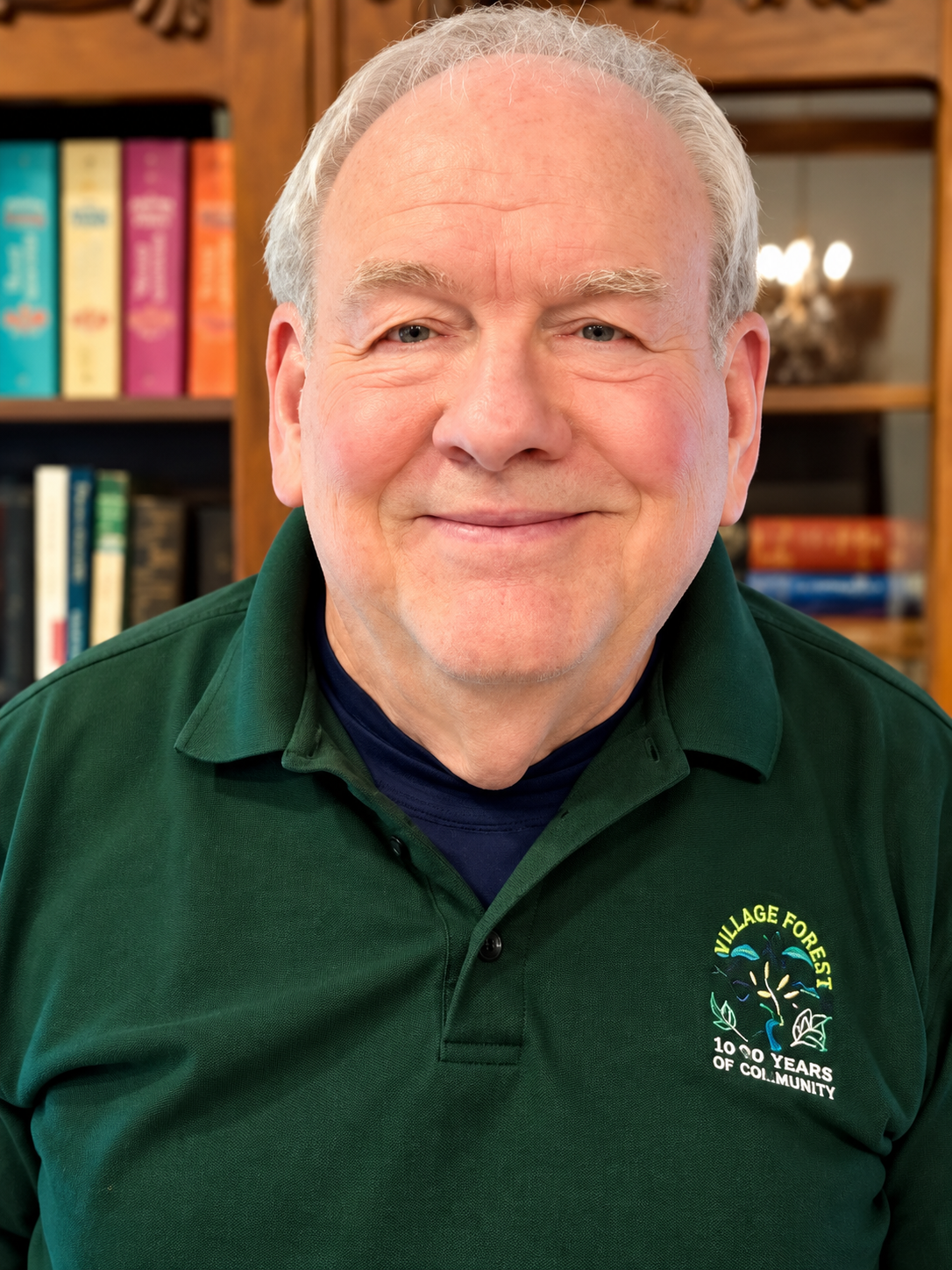

Kevin D. Finson spent more than four decades in science classrooms. He taught five years at the middle school level, two at the high school level, and 34 years at the college level, and he retired as a professor emeritus of science education at Bradley University in Peoria, Illinois. Now he is putting that experience to work in a new place: the pages of children’s books he first wrote for his own grandchildren.
An earth scientist by training, Finson has also taught physical science, life science, instructional theory, and program evaluation. Through all of it, one idea stayed at the center of his teaching: inquiry learning, the belief that students learn best by asking questions, observing, and working things out for themselves. That same idea runs through the books he writes for young readers today.
A first book that grew out of the front window
Finson’s first children’s book, A Cloudy Tale, was published in early 2020. It follows the development and passing of a thunderstorm. He gave a draft copy to his grandchildren nearly two years before publication, and he noticed they kept opening it to compare its photos with the clouds they could see from the front window of their house.
For a science educator, that was the best possible result. The book did not just tell the children about clouds; it sent them to the window to look. Since then, Finson has kept writing, and several more children’s books are in development.
Books about the natural world
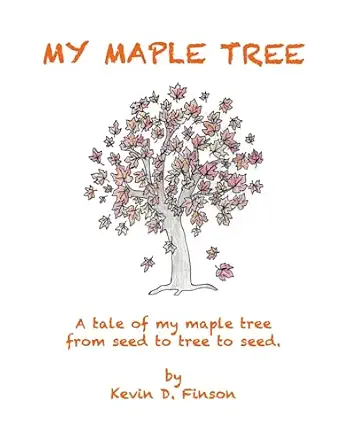
Finson’s picture books take young readers into the natural world he studied and taught throughout his career. My Maple Tree follows a maple tree through its full life cycle, from seed to tree and back to seed again. It is a simple, gentle way to introduce children to the idea that living things grow, change, and renew themselves.
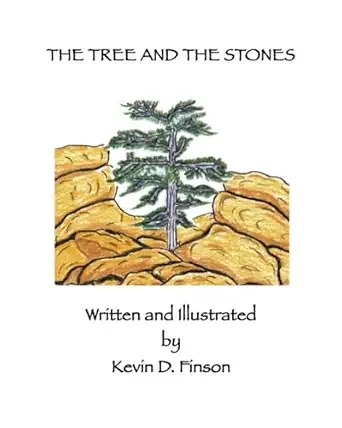
The Tree and the Stones, which he both wrote and illustrated, pictures a lone evergreen growing among great rounded stones. Like much of his work, it invites children to look closely at the landscape and think about how living things and the earth around them shape one another.
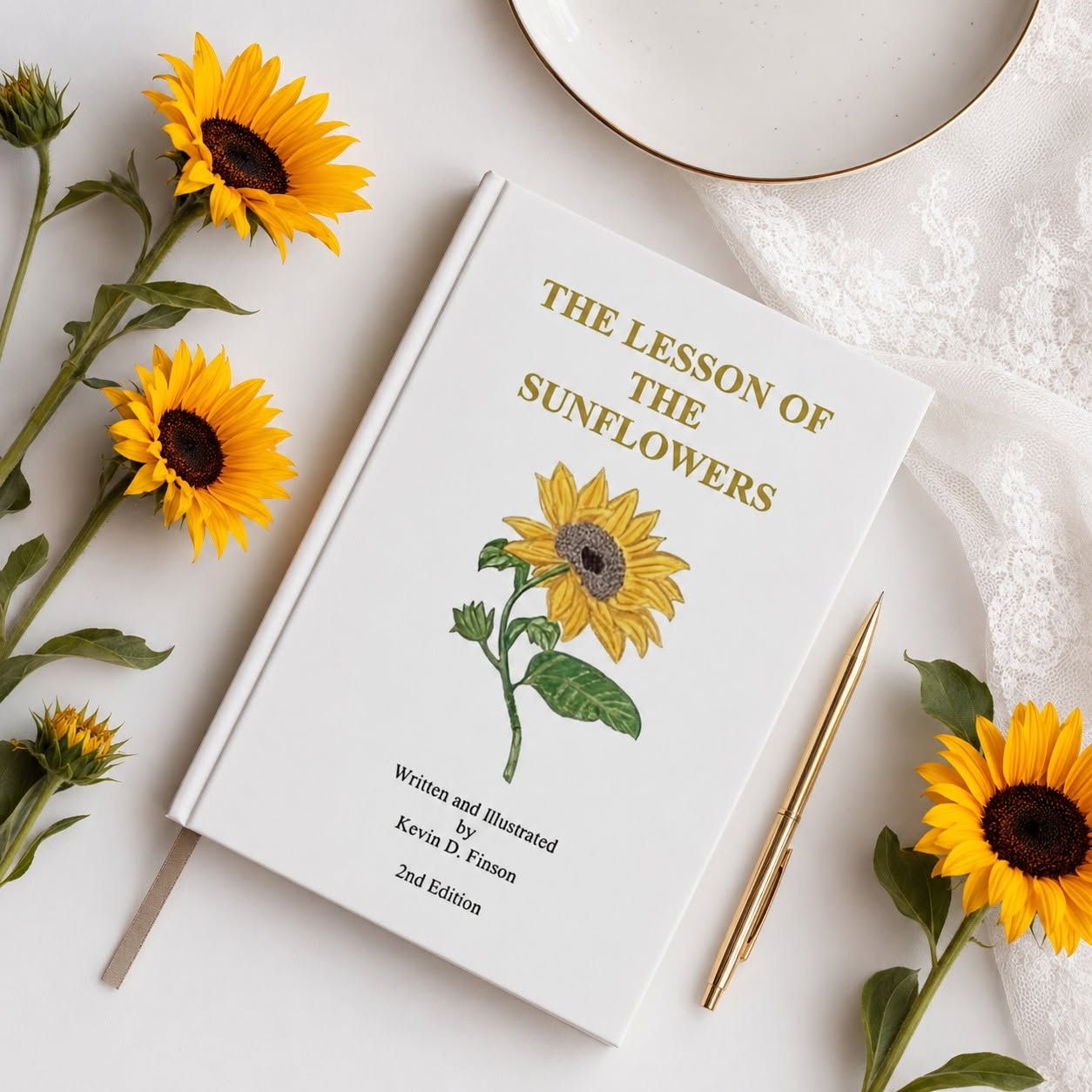
The Lesson of the Sunflowers, now in its second edition, is also written and illustrated by Finson. Its cover shows a single hand-drawn sunflower, and it continues his habit of using familiar plants to open conversations with children about growth and the world around them.
Into the world of Dragon Sign
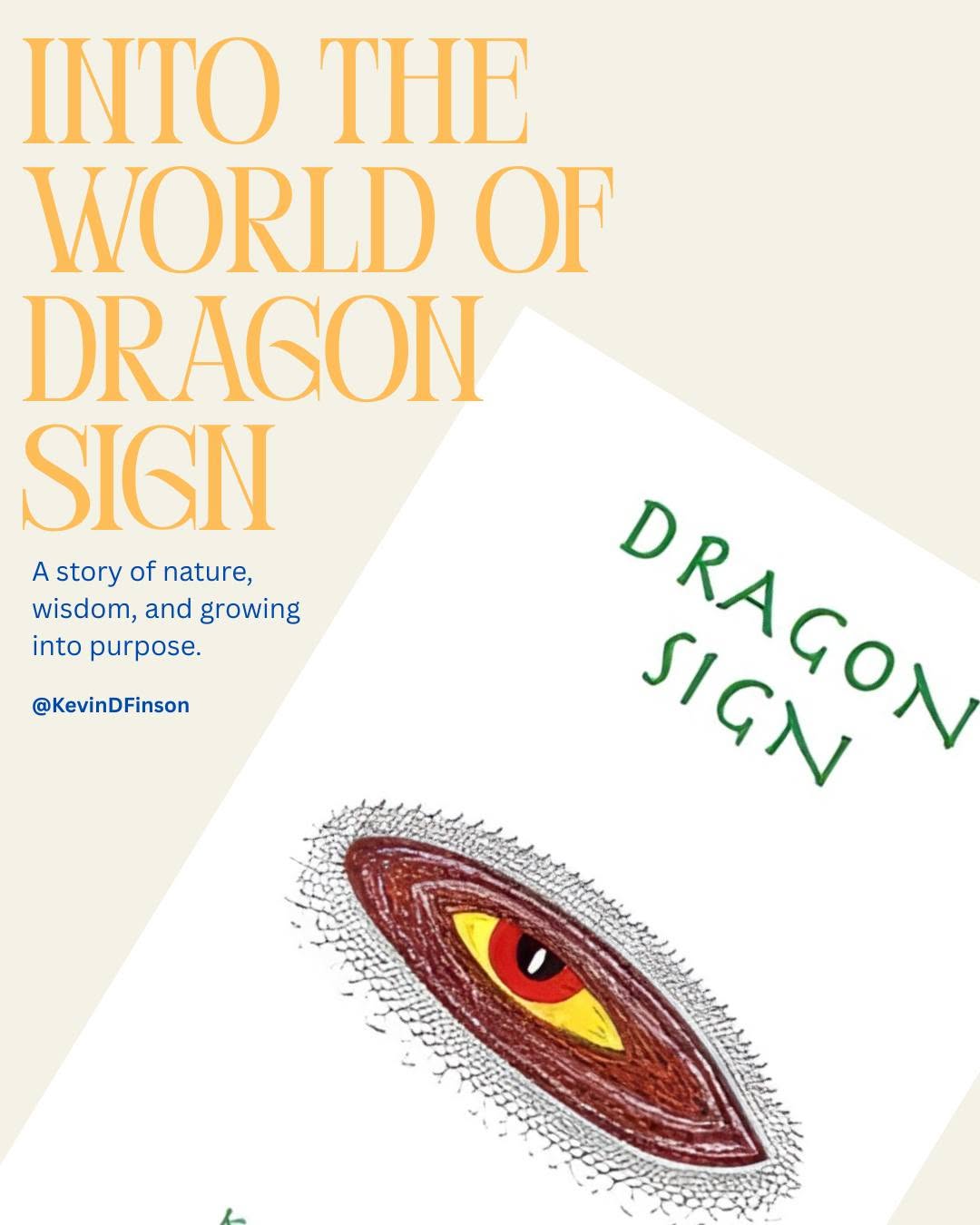
Not every Finson book stays close to the backyard. Dragon Sign is described as “a story of nature, wisdom, and growing into purpose.” Its cover is dominated by a single striking dragon’s eye in deep red and yellow, a sign that this story reaches into imagination while keeping the themes of nature and growth that link his other books.
A teacher who lived for the groans
Anyone who worked with Finson knew about his sense of humor. He had a reputation at work as someone who loved to make and share puns, and some colleagues said he lived for the groans. He admits that was true.
His love of wordplay grew into a fondness for shaggy dog stories, the long, winding tales that end in a deliberately groan-worthy punchline. For seven years he hosted holiday dinner parties where friends and colleagues were challenged to create and tell shaggy dog stories of their own, with award certificates for the winners. A couple of shaggy dog storybooks are now in the works as well.
The long version of his biography exists, Finson jokes, because he was a college professor — and you know how long-winded they can be.
How the writing began
Finson’s writing life started in high school, when he tried to write a science fiction novel. That manuscript, he says, long ago disappeared into the black hole where old manual typewriters go.
College gave him plenty of practice with research papers, and one project stands out. During an independent study with a geography professor, he was asked to research and write a paper on remote sensing. Finson visited research sites and specialized libraries and handed in a finished paper before the end of the semester, when the professor had expected only a set of note cards. The professor was so impressed that he made a few edits and submitted it, as second author, to a prestigious international geography journal, where it was accepted and published. Finson believes the paper helped that professor earn tenure and eventually become chair of his department.
Four decades of teaching by inquiry
Finson’s college teaching career took him to three institutions. He began at Valley City State College in Valley City, North Dakota, teaching elementary and secondary science methods along with content courses in earth science, paleontology, meteorology, oceanology, and geomorphology.
He then taught at Western Illinois University in Macomb, Illinois, where his courses covered elementary science methods and content in earth science, physical science, measurement, and energy education. He spent the final 18 years of his career at Bradley University, teaching science methods for future elementary, middle, and high school teachers, as well as instructional theory, program evaluation, and effective teaching strategies for health science majors.
Wherever he taught, Finson used inquiry learning. Many students struggled at first with learning this way instead of simply being given information, but he kept at it, convinced that inquiry would best prepare them for real life.
Service to science education
Finson’s career included long service to professional science education organizations. He served on the board of directors of the international Association for Science Teacher Education (ASTE), chaired its Professional Development Committee and Inclusive Science Education Forum, and served on its Oversight, Elections, and Professional Development Committees. In 2016, ASTE honored him with its Outstanding Longtime Service award for lifetime career service.
He helped establish the ASTE practitioner journal Innovations in Science Teacher Education, edited the international Journal of Elementary Science Education for eleven years, and edited the Illinois Science Teachers Association journal The Spectrum for several years.
He also contributed to standards for the Early Adolescent Science Committee of the National Board of Professional Teaching Standards, chaired the publications committee of the School Science and Mathematics Association, and served on the editorial review boards of journals including The Journal of Science Teacher Education and School Science and Mathematics. He has been a guest reviewer for many international journals, among them the International Journal of Science Education, Science Education, and Research in Science and Technology Education.
Research on learning differences and how students see scientists
Over his career Finson published eight books, twelve book chapters, five monographs, and more than sixty refereed journal articles. One monograph, written for middle and high school students, explains how corn grows and is used.
One of his main research areas was science for students with disabilities. His interest grew from a wish to help people he knew who struggled to learn science because of dyslexia. That work led him to co-author a book on how teachers can adjust written materials, procedures, and simple equipment so that students with specific learning disabilities can successfully do science.
His second major focus was how students perceive scientists. Building on the Draw-a-Scientist Test, which has its roots in work by Margaret Mead and a colleague in the 1950s, Finson developed a framework to guide science educators in dealing with students’ ideas about scientists. That research later expanded into studies of how future teachers see themselves as science teachers, and then into visual data: what it is and how teachers, learners, and curriculum developers use it, or should use it.
The day the magnet won
One highlight of Finson’s career was co-developing and co-hosting a live satellite television program for middle school students about careers in science, technology, engineering, and mathematics. It aired nationally for three years.
His most memorable moment on the show came during a demonstration with a powerful magnet holding up a paperclip tied to a string. The plan was to slip open scissors between the magnet and the paperclip, then close them to interrupt the magnetic field and make the paperclip drop. The magnet was so strong he had to steady his scissors hand with his other hand. As he snipped the scissors shut, they jerked up into the magnet and sliced his thumb. He quickly pulled his hand below the counter, wrapped his thumb in a handkerchief, and finished the last half hour of the live broadcast while bleeding. Fortunately, he did not need stitches.
Sharing his stories with more readers
Finson started writing children’s books for his grandchildren. Now he is working to publish them so other families can enjoy them too. His books bring together the things that defined his career: a scientist’s eye for the natural world, a teacher’s belief in learning through curiosity, and a storyteller’s love of a good tale.
Books by Kevin D. Finson for young readers
- A Cloudy Tale
- My Maple Tree
- The Tree and the Stones
- The Lesson of the Sunflowers (2nd Edition)
- Dragon Sign
Connect with Kevin D. Finson
A full list of Finson’s publications is on his author website. He’d be glad to have you visit.
Find Kevin D. Finson’s books on Amazon →
Visit the author’s website: kevindfinsonauthorspage.org →