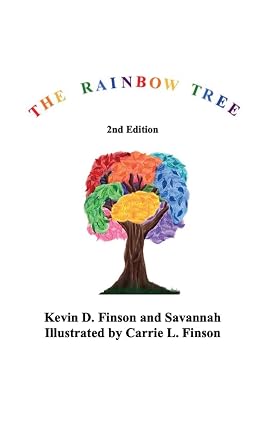
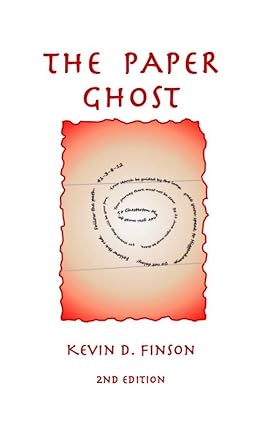
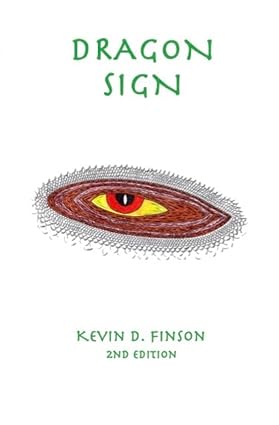
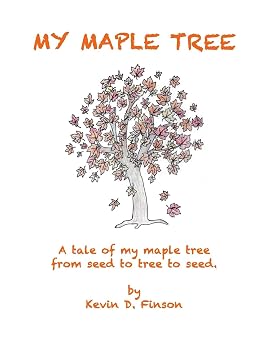
Kevin D. Finson spent most of his life in science classrooms: five years at the middle school level, two at the high school level and 34 years at the college level. He retired as a professor emeritus of science education at Bradley University, where an earth scientist by training also taught physical science, life science, instructional theory and program evaluation.
Along the way he published eight books, twelve book chapters, five monographs and more than sixty refereed journal articles. Much of that research asked a simple question: how do we make science reachable for every student, including those with learning disabilities?
Through all of it ran one belief: inquiry learning. Children learn best, he argues, when they observe something, grow curious about it, and go looking for answers themselves, with a teacher or parent who guides rather than lectures.
Retirement did not end the teaching. It moved it to the kitchen table. Finson began writing books for his grandchildren to pass on his thoughts about life, starting with clouds and the weather they announce. When an early draft of A Cloudy Tale sent the children to the window to compare the sky with the pictures, he knew the book was working.
From there he turned to faith and moral living. Most of his stories, he says, connect to something his grandchildren have lived through, so they can recognize themselves in the pages “even if it is at a subconscious level.” Eventually he decided to share the books more widely, hoping they would entertain and teach other children and their parents too.
Two teachers shaped him. His fifth-grade teacher, Mrs. McCain, read the first short book he ever wrote and urged him to keep going. Dr. Robert James, a college professor, grounded him in inquiry science. Today, every page Finson writes carries a little of both.
Mrs. McCain told him she would like to see his first real book. By the time he wrote it, she had passed away. In a sense, every book since has been written for her, too.
“Weather is something each of us experiences each day. It is a shared common experience.”
His research on students' perceptions of scientists and on how they read visual data still guides how he pairs words with pictures. The result is a shelf of books that look simple and are anything but.